
Showing 1–30 of 79 resultsSorted by latest











Showing 1–30 of 79 resultsSorted by latest
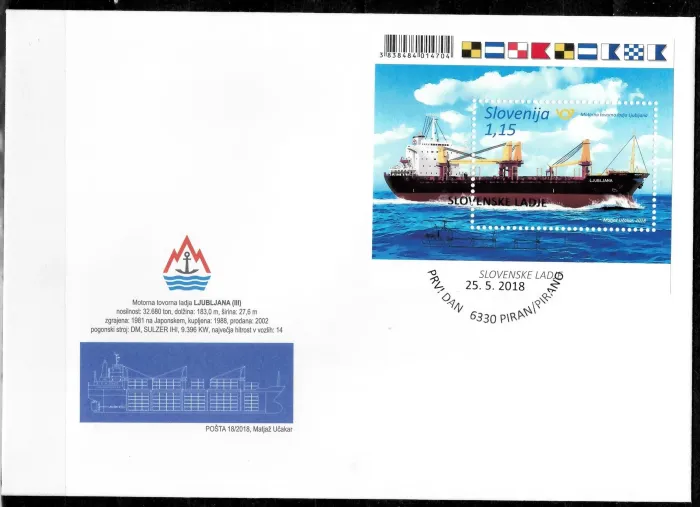
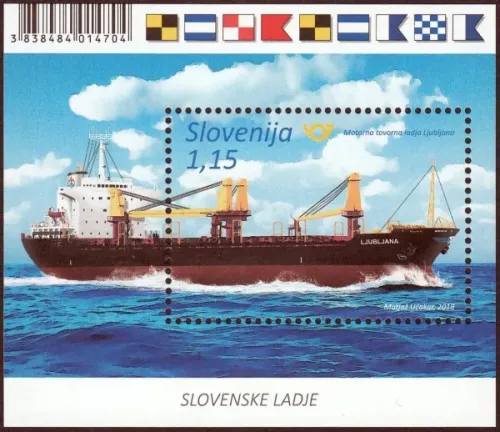
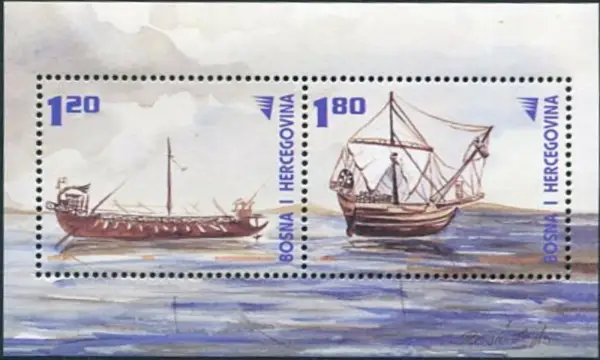
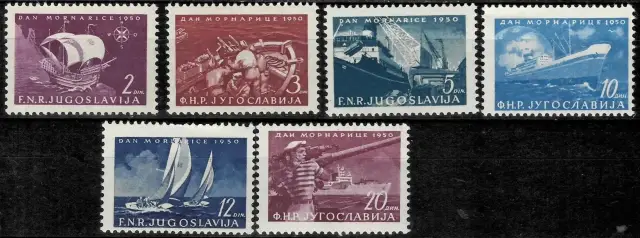
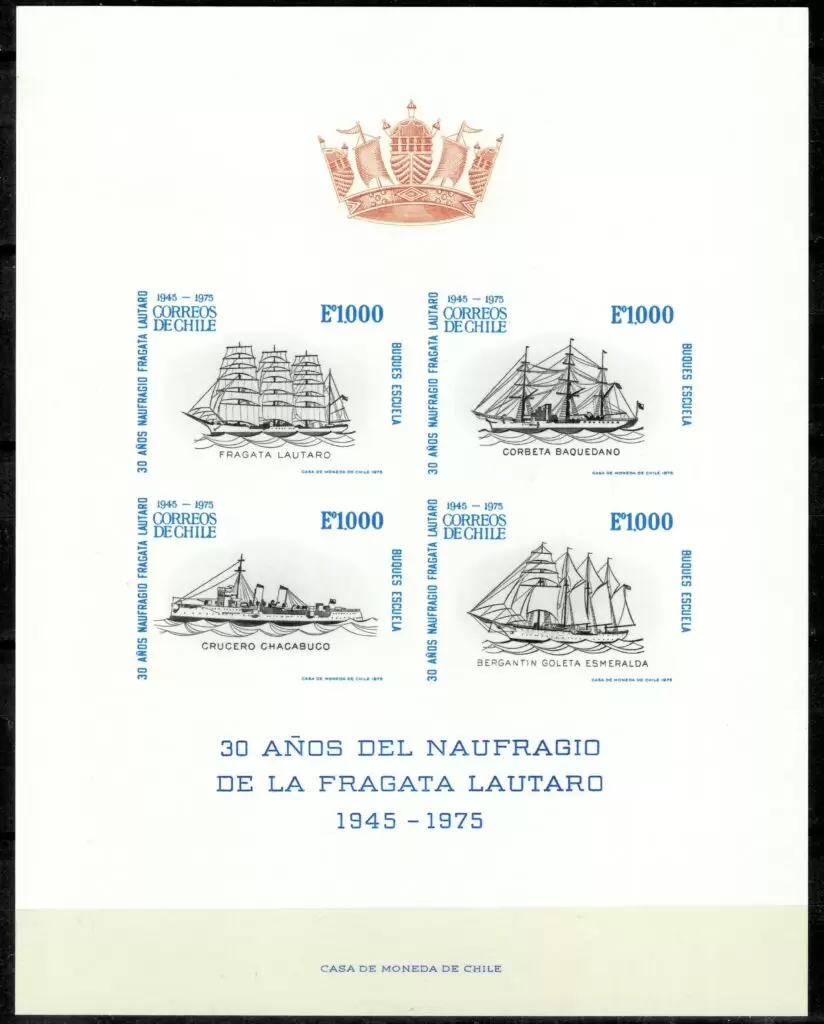
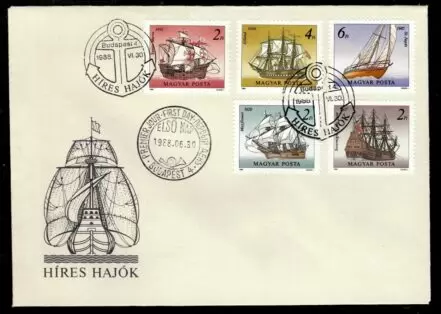
Stamps featuring sailing ships, boats, and maritime history represent a massive, deeply romantic branch of thematic philately known as maritime philately or ship topical collecting. Because humanity relied on watercraft for centuries to explore the globe, wage war, and conduct trade, ships are among the most frequently depicted objects in postal history.
For collectors, this theme operates like an anchor tracking the evolution of naval architecture—from ancient Egyptian papyrus reeds and wooden Galleons to majestic tea clippers and steel ocean liners.
Wooden sailing ships dominate classic philately, serving as powerful symbols of national identity, discovery, and adventurous folklore.
The Columbus Commemoratives: The 400th anniversary of Christopher Columbus’s voyage prompted the United States to release the famous 1893 Columbian Exposition Series (reproduced in the 1992 sheets pictured above). These stamps are highly prized for their intricate line engravings of the Niña, Pinta, and Santa María, establishing the baseline for historical ship collecting.
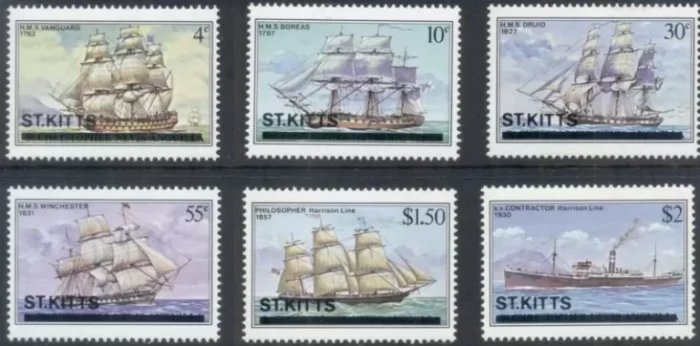
The Majestic Tea Clippers: Island nations and maritime powers like Great Britain, Portugal, and New Zealand frequently honor 19th-century merchant clippers. These stamps often capture the high-stakes drama of the sea, showing ships leaning heavily into rough waves under full, wind-blown canvas sails.
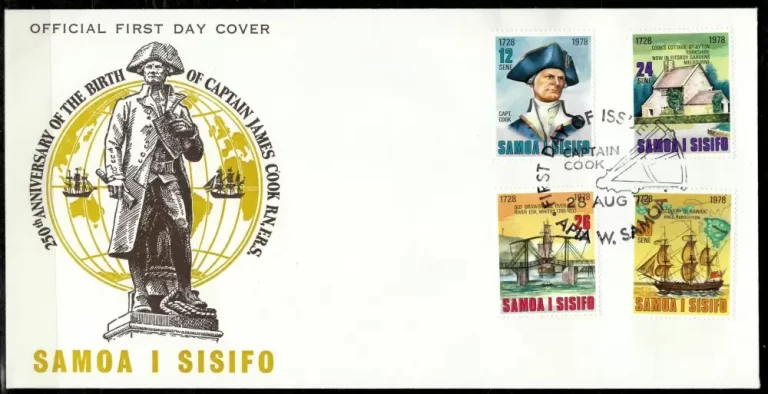
Pacific Outrigger Canoes: Nations across Oceania (such as Fiji, Samoa, and the Solomon Islands) have produced hundreds of stamps documenting the engineering of traditional outrigger canoes, catamaran fishing boats, and woven-sail vessels that early navigators used to cross the Pacific.
Mediterranean and Asian Folk Boats: Look out for Malta’s long-running sets featuring the colorful Dghajsa (Grand Harbour taxi boats), Venice’s classic gondolas, and Hong Kong issues illustrating traditional wooden junks cruising alongside modern skyscrapers.
The 1901 Pan-American Fast Liner: Issued to celebrate modern industrial transport, this iconic 10-cent stamp (pictured above) highlights a twin-funnel commercial steamship. Like many early transit issues, it was a bi-color stamp (orange frame, black vignette), which required two trips through the printing press and spawned famous, highly valuable inverted-center errors.
The Floating Palaces: During the 1930s, countries vied for the “Blue Riband” (the record for the fastest transatlantic crossing). France, Great Britain, and Germany proudly displayed their luxury ocean liners—such as the SS Normandie, the RMS Queen Mary, and the SS Bremen—on high-value stamps to advertise engineering dominance.