
Showing 1–30 of 227 resultsSorted by latest


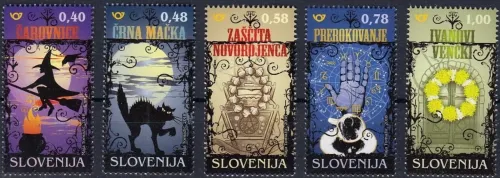


Showing 1–30 of 227 resultsSorted by latest
Stamps dedicated to folk culture, ethnography, and indigenous ethnicities form one of the most visually vibrant and colorful areas of topical stamp collecting. Known to collectors as ethnographic philately, these miniature pieces of art serve as state-sanctioned celebrations of cultural identity. They document traditional costumes, indigenous crafts, folk dances, and sacred rituals that are often at risk of fading into history.
1. Traditional Folk Costumes (Trachten)
Perhaps the most common sub-theme under ethnicity is the depiction of regional textile arts and traditional clothing.
The Baltic and Eastern European Tradition: Countries like Estonia (shown above), Latvia, Lithuania, and Romania have produced multi-decade annual stamp series meticulously cataloging the exact embroidery patterns, silver brooches, and woven skirts unique to individual villages.
The Swiss Pro Juventute Issues: For decades, Switzerland issued highly collectible semi-postal stamps featuring children and adults clad in the diverse, historically accurate Trachten (folk costumes) of the various Swiss cantons.
2. Indigenous Art & Material Culture
Postal agencies frequently use stamps to honor the heritage, tools, and craftsmanship of indigenous populations, transforming envelopes into nomadic museum galleries.
Suriname & South American Native Art: The 1960 Suriname issue (pictured above) titled Volkskunst (Folk Art) beautifully illustrates how countries use stamps to celebrate tribal pottery, woodcarvings, and ceremonial headdresses (Art Indigene), reinforcing the country’s multi-ethnic roots.
The US and Canadian First Nations Issues: Both Canada Post and the USPS have released stunning, high-relief stamps showcasing the masterworks of Pacific Northwest totem carvers, Navajo weavers, Inuit stone sculptors, and Pueblo potters, properly attributing the cultural intellectual property of these sovereign nations.
3. Global Folk Festivals & The EUROPA Series
Sometimes, global postal groups unite under a singular ethnographic theme, creating fantastic opportunities for collectors to see how different cultures interpret the exact same concept.
The 1981 EUROPA “Folklore” Omnibus: In 1981, dozens of European countries participating in the annual EUROPA joint-issue program all released stamps dedicated to their local myths, folk dances, and seasonal traditions. For example, Ireland featured traditional step-dancing, while Spain showcased flamenco and regional instruments.
Asian Lunar New Year & Ethnic Festivals: Nations across Asia regularly issue striking stamps for events like the Spring Festival (Lunar New Year) or the Mid-Autumn Festival, frequently depicting minority ethnic groups (such as the Miao, Yi, or Uygur peoples in China) in their festive, embroidered ceremonial attire.
Collector’s Checklist: Organizing an Ethnographic Collection
Because the “folk culture” theme is incredibly vast, collectors usually avoid trying to “buy everything.” Instead, they narrow their focus using one of these structural approaches:
Focusing on the “Europa” Label: Collecting the complete 1981 EUROPA folklore series across all participating nations is an affordable, neatly contained way to build a beautiful baseline collection of European ethnography.
Geographic Specialization: Specializing strictly in a specific cultural region—such as the indigenous peoples of the Americas, African tribal masks, or the diverse ethnic minority costumes of Southwestern China.
Material Culture Categories: Arranging an album not by country, but by the type of folk art shown on the stamp. For example, creating dedicated pages for Folk Instruments (bagpipes, sitars, balalaikas), Traditional Architecture (thatched cottages, yurt construction), or Folk Textiles (lace-making, weaving).