
Showing all 29 resultsSorted by latest











Showing all 29 resultsSorted by latest
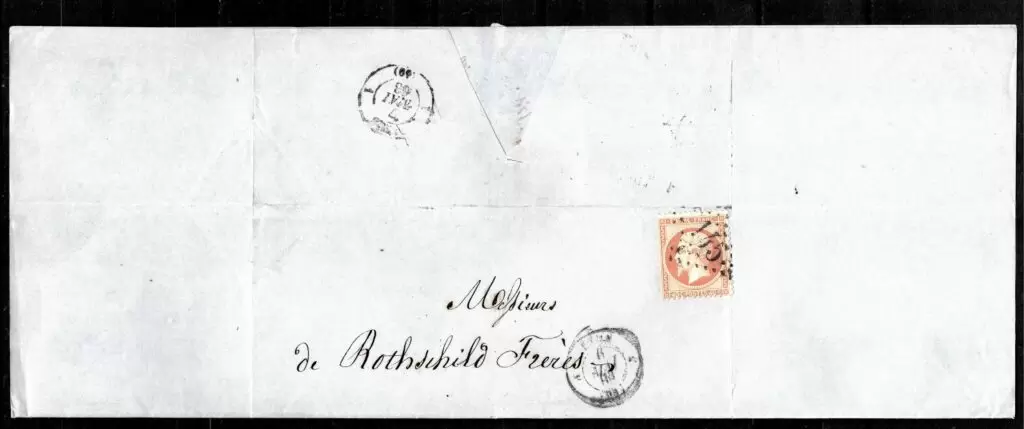
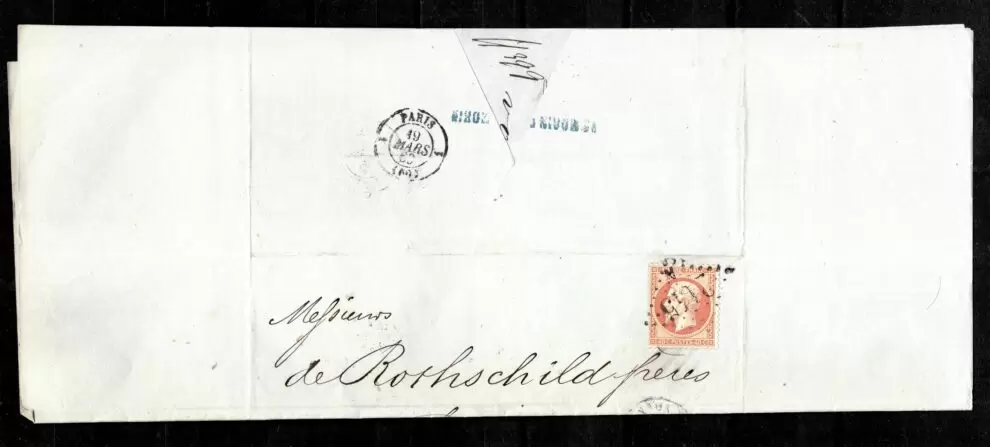
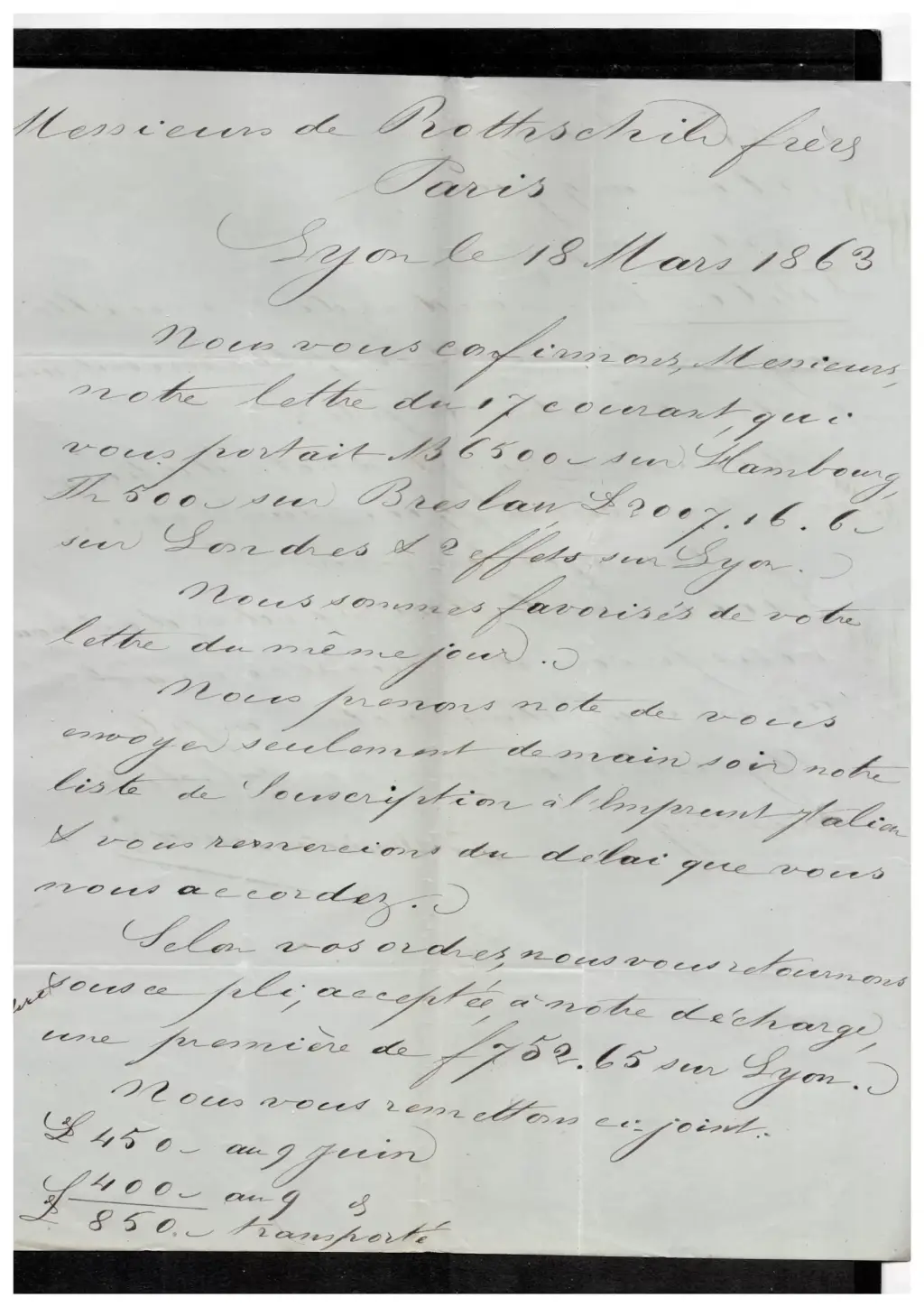
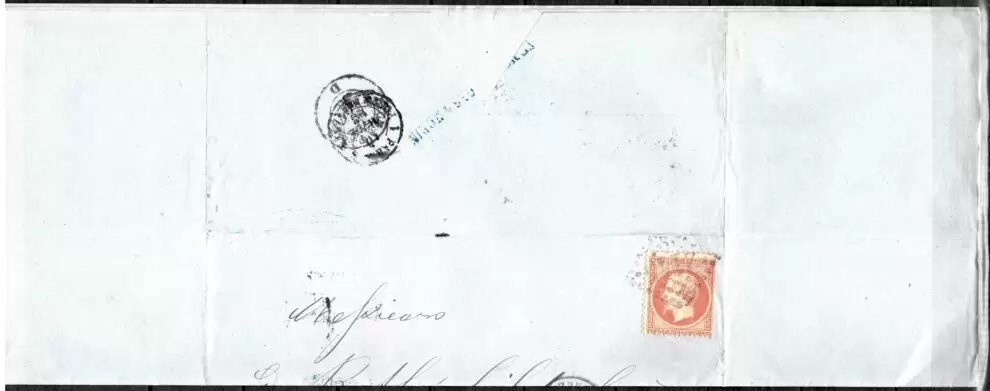
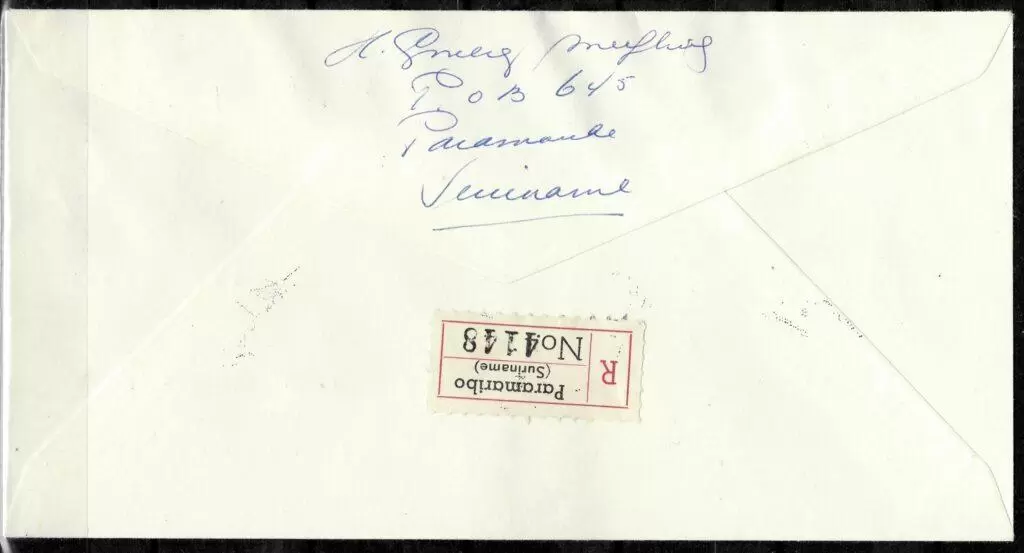
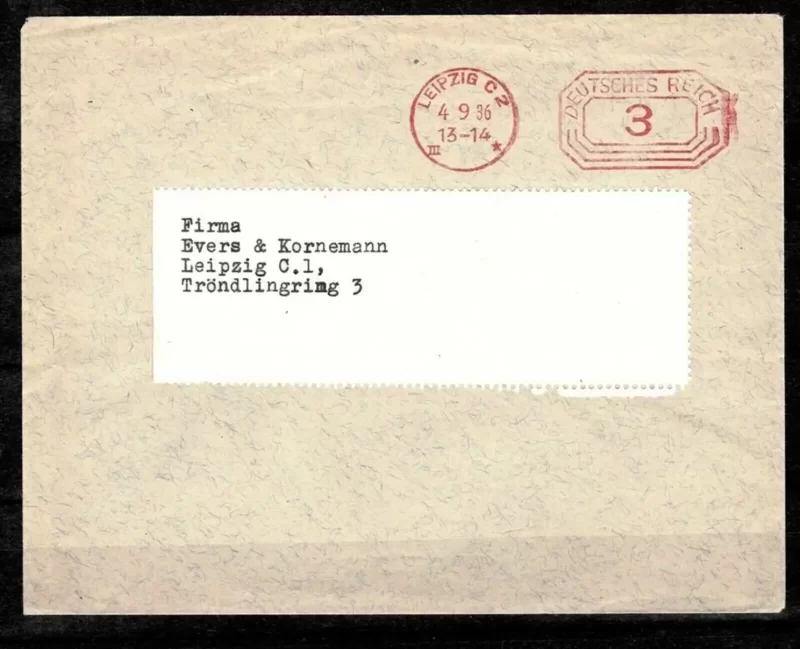
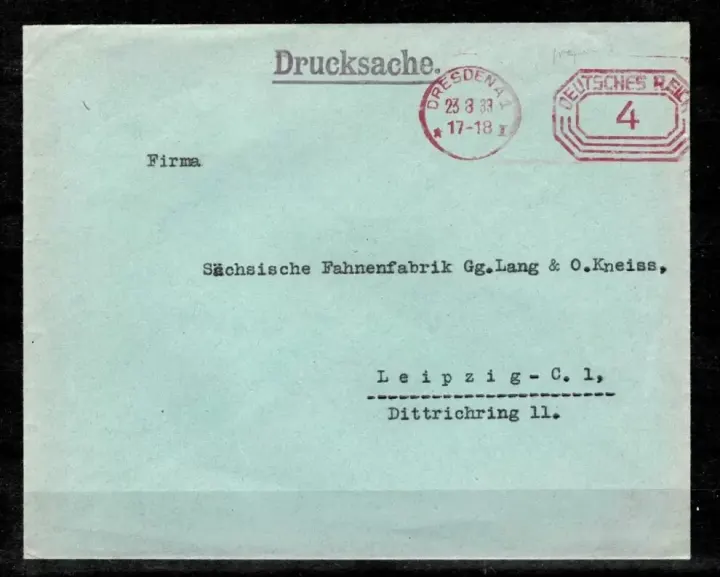
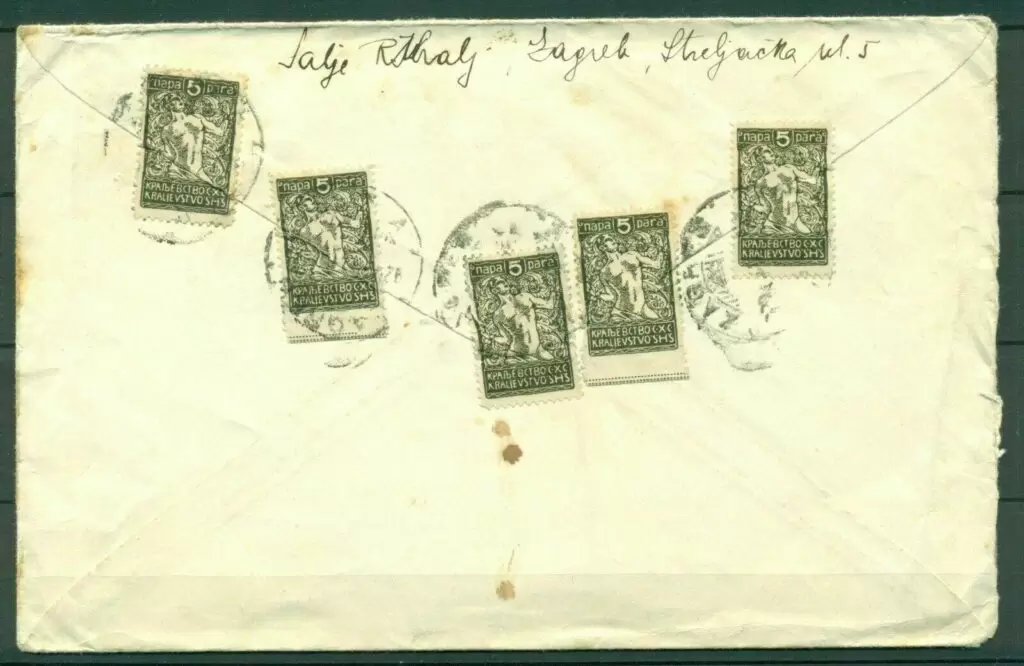
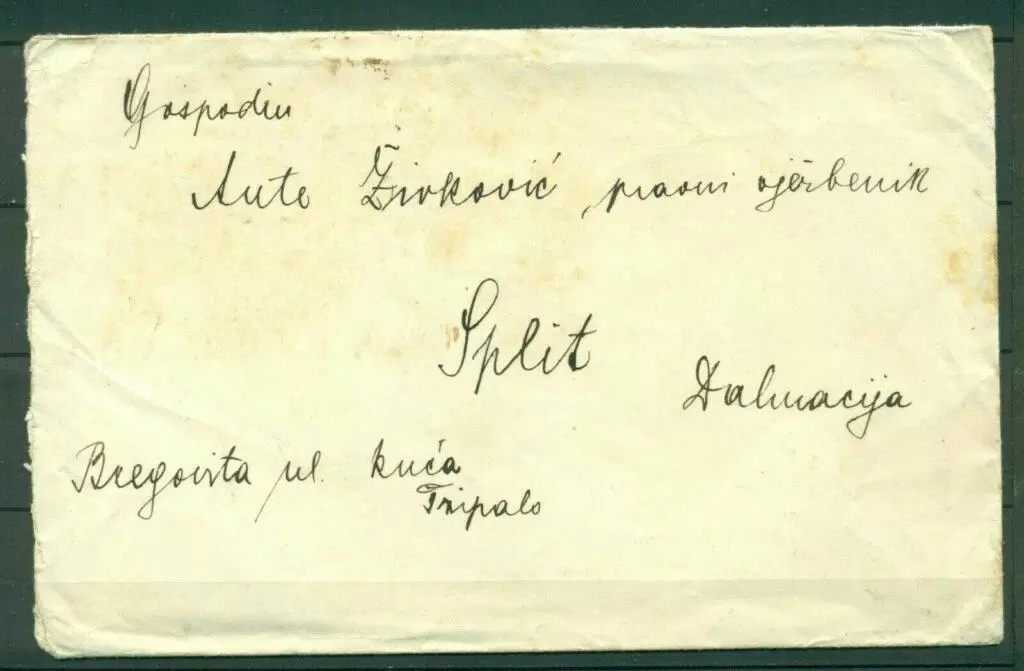
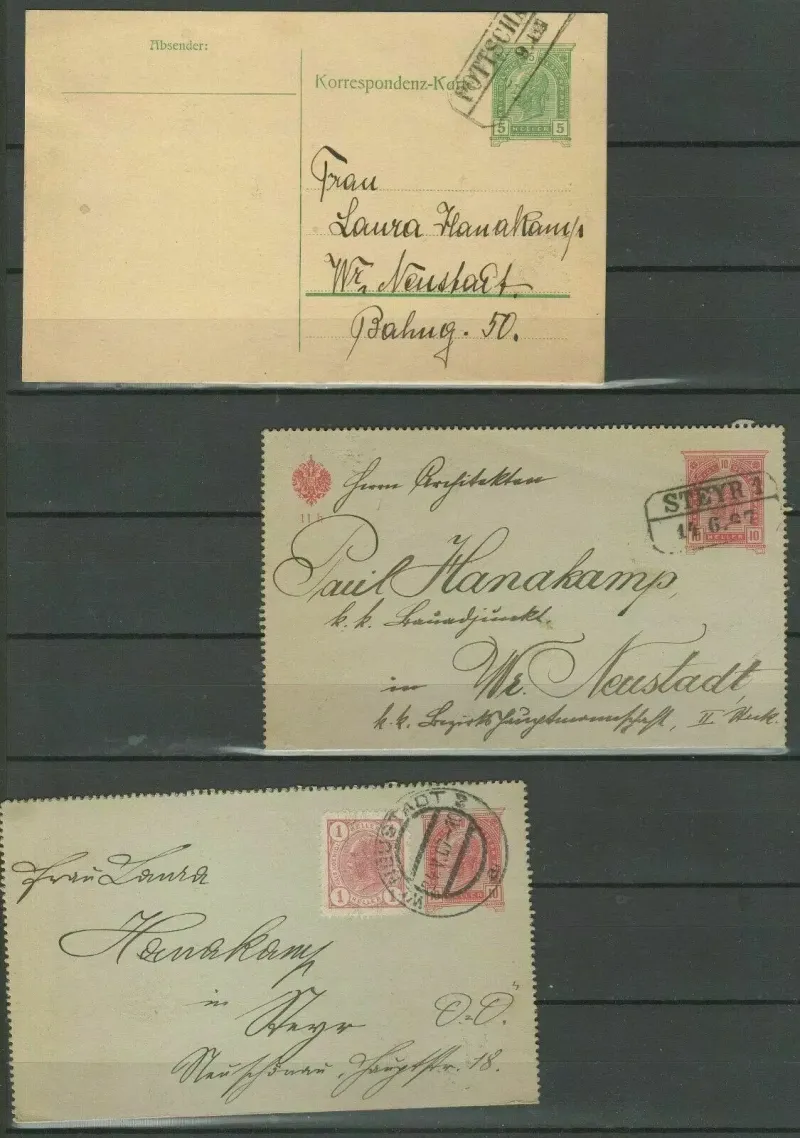
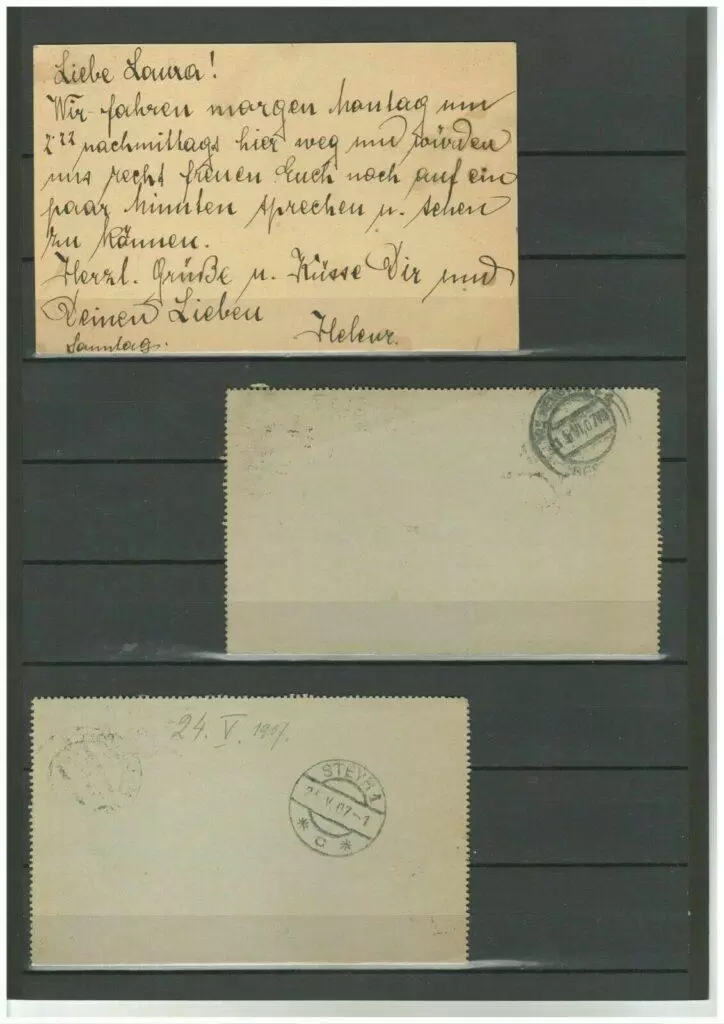
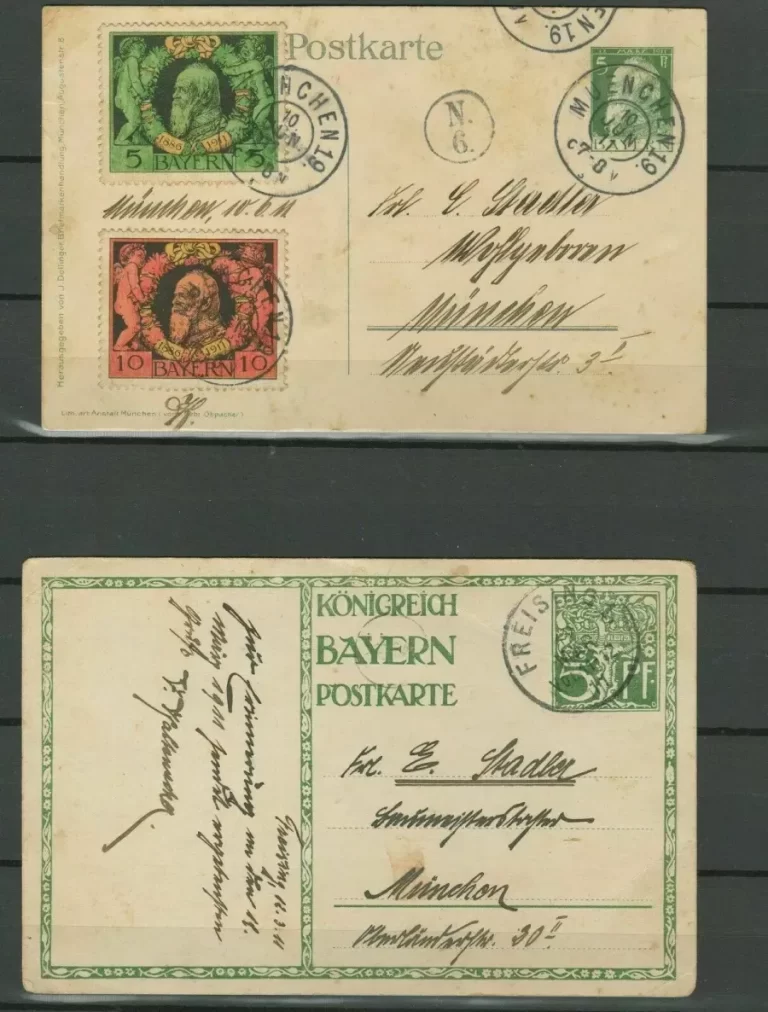
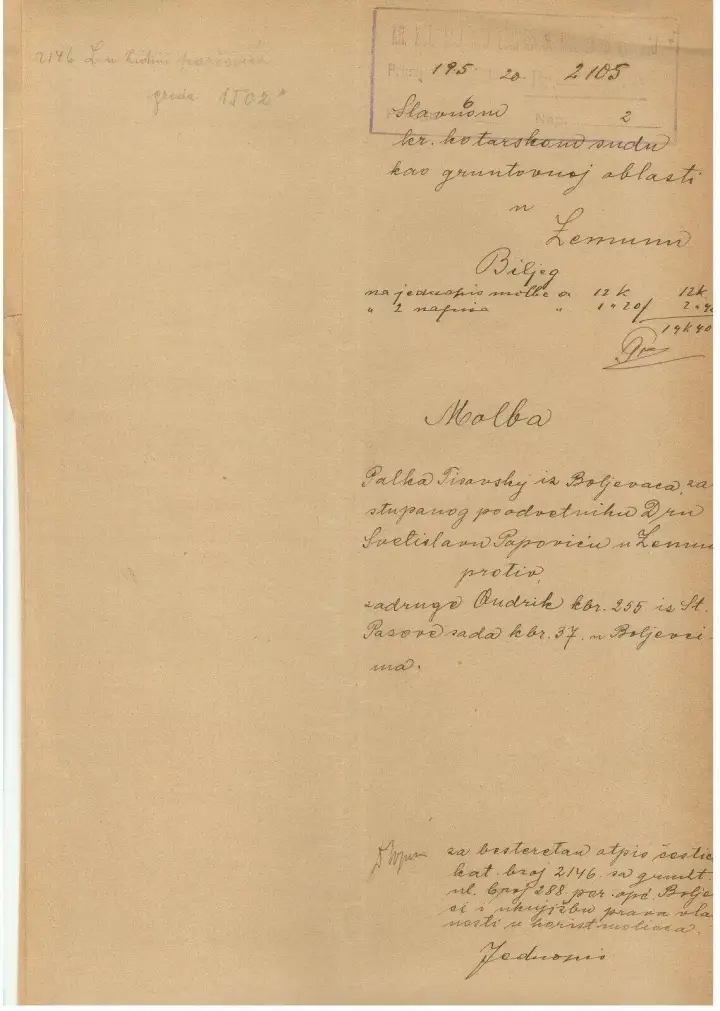
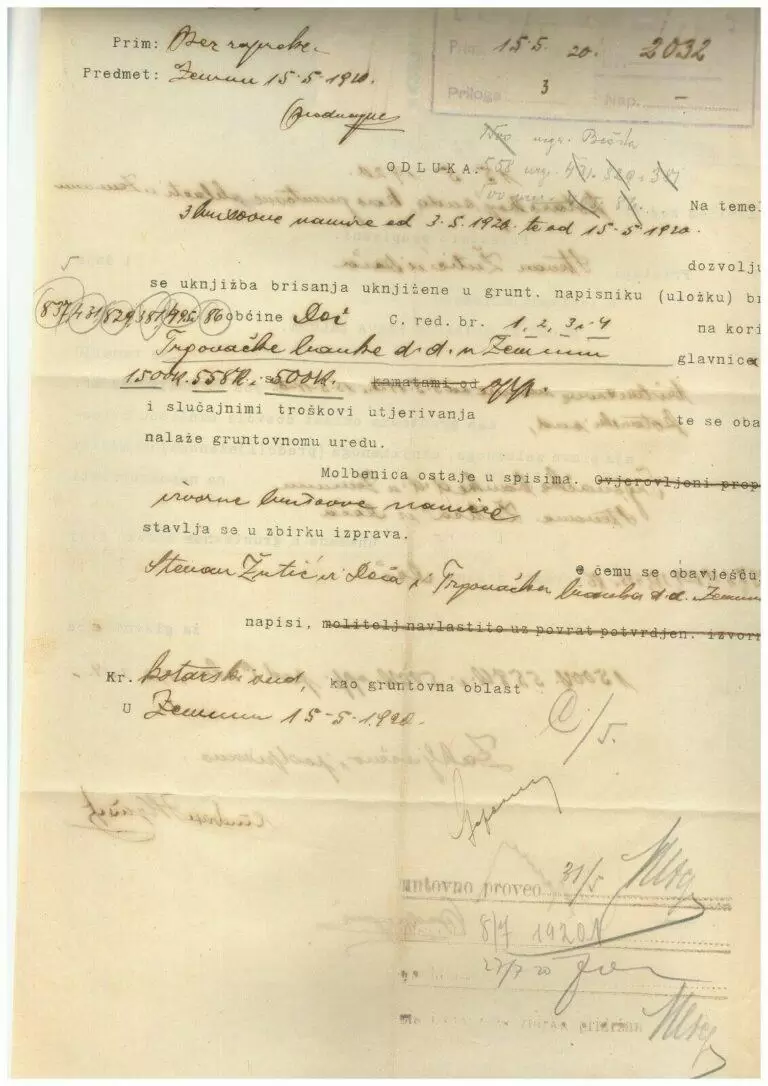
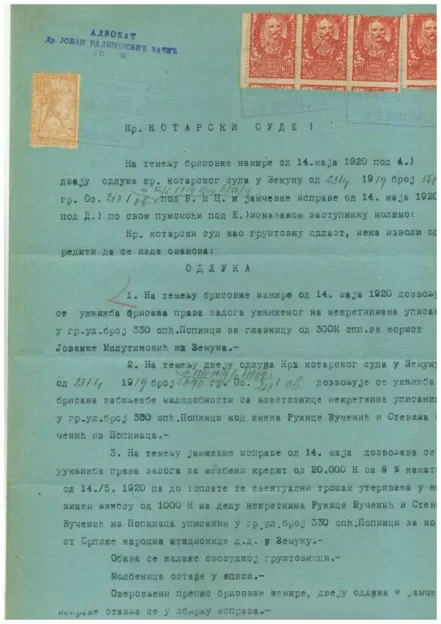
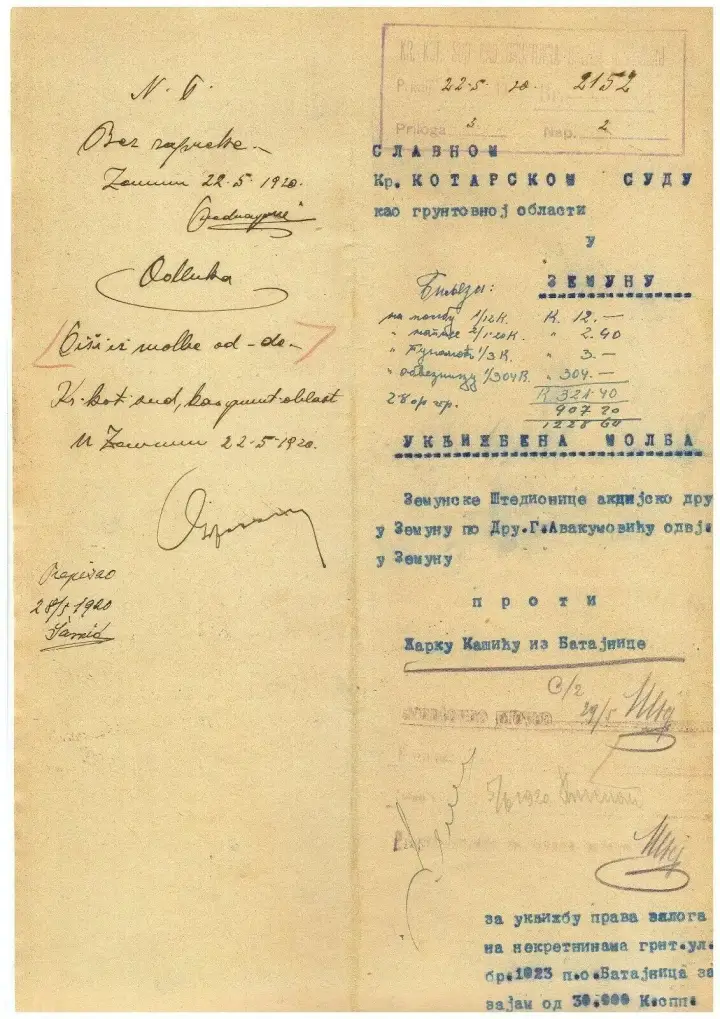
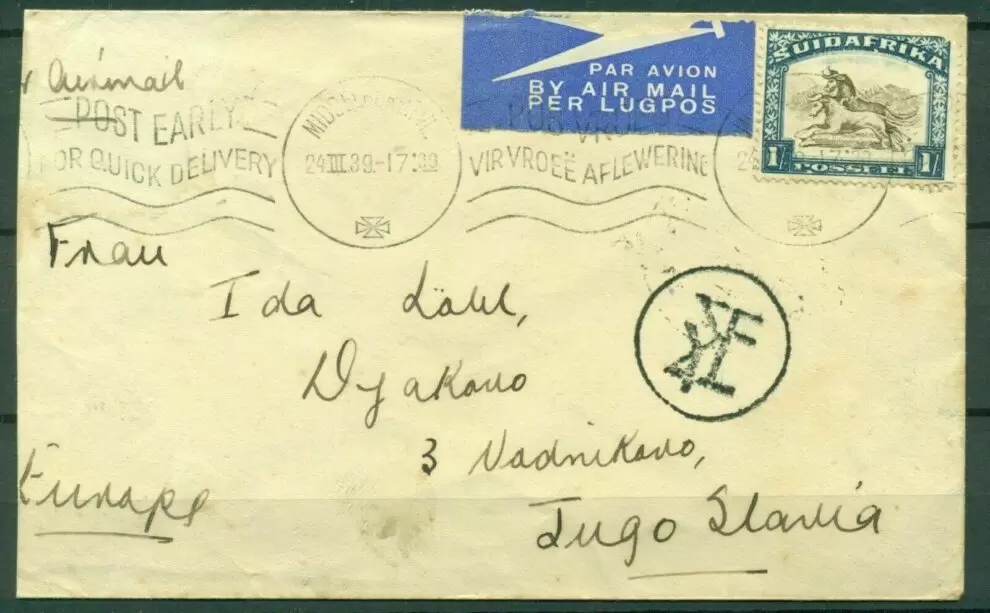
In the world of stamp collecting, Postal History shifts the focus away from the stamps themselves to the entire artifact—the letters and “covers” (a philatelic term for an envelope, postcard, or folded letter sheet). While traditional stamp collectors look at mint-condition stamps, postal historians look at how mail actually traveled, the rates paid, the routes taken, and the historical events that shaped its journey.
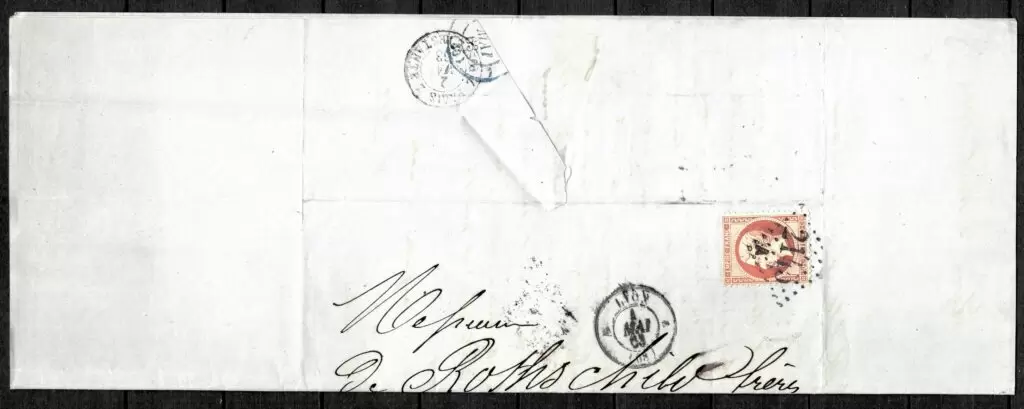
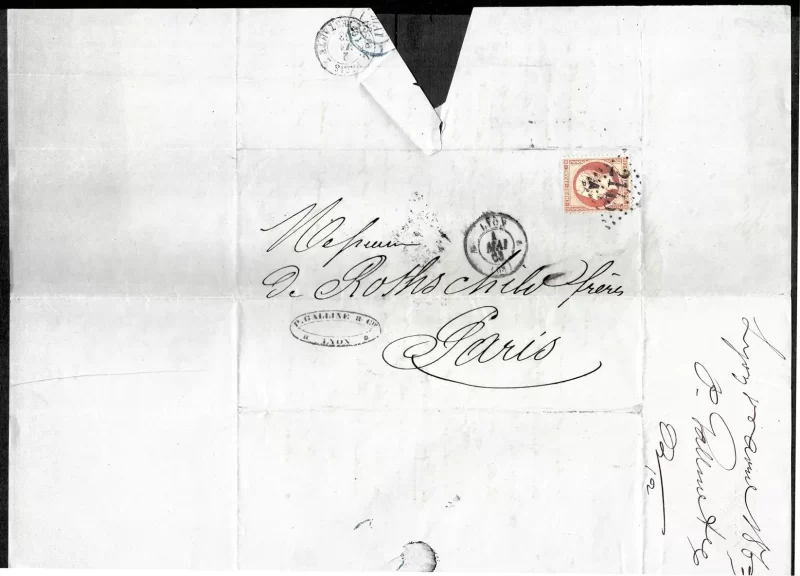
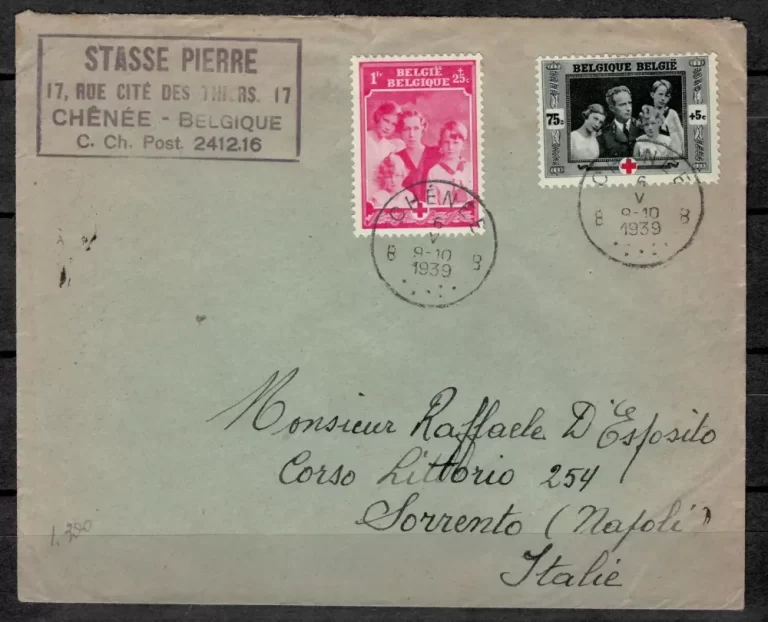
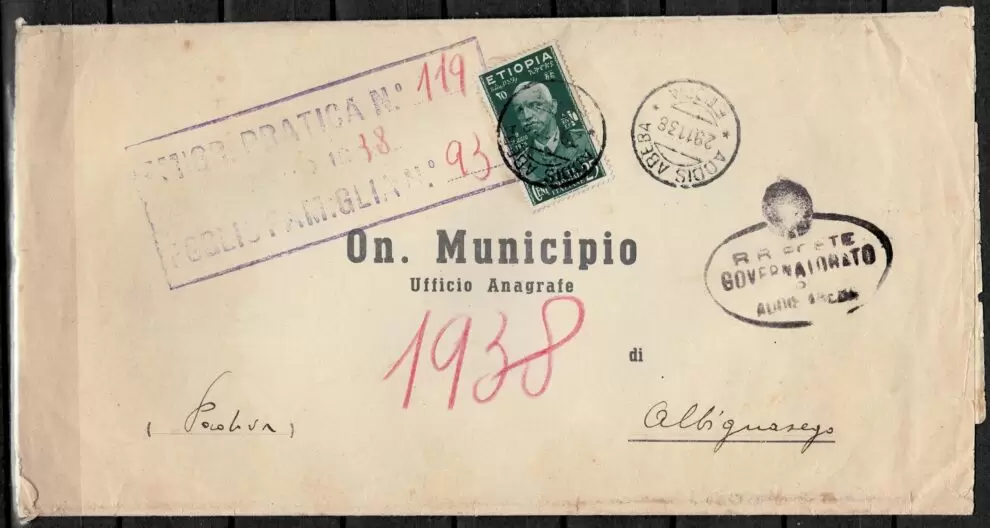
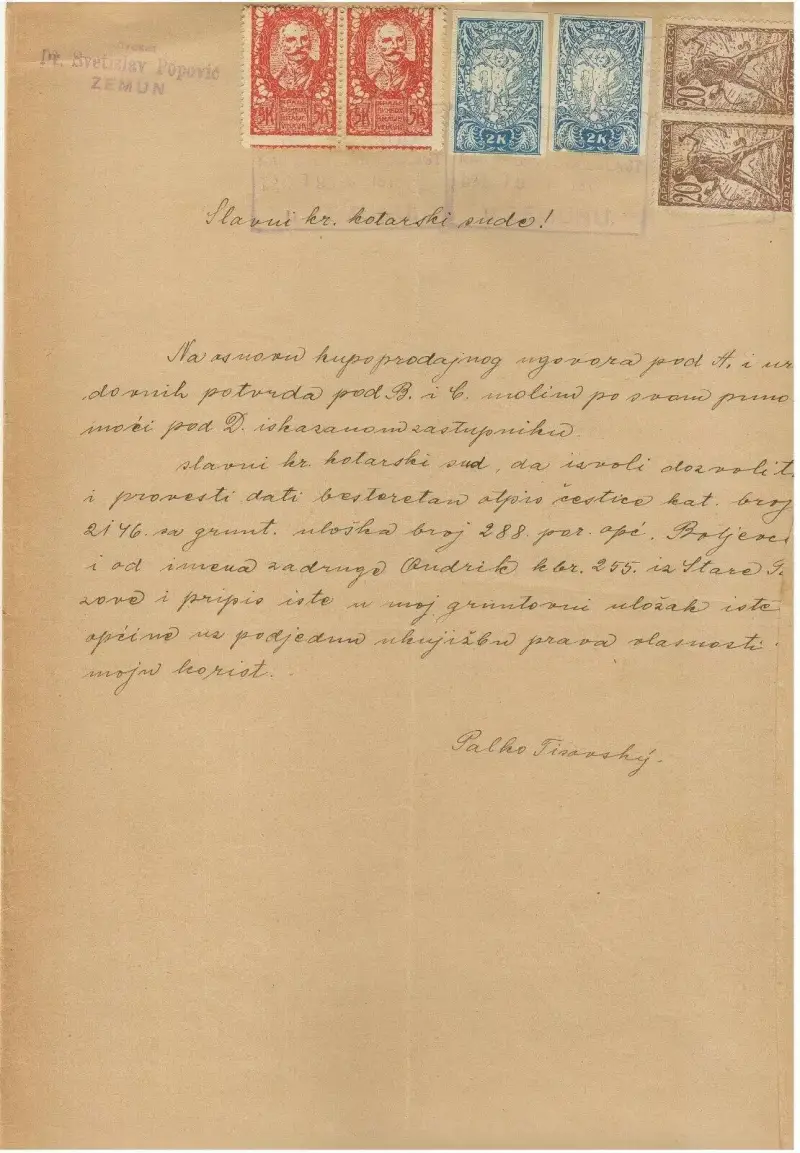
Anatomy of a Collectible Cover A classic cover is essentially a time capsule. When evaluating a piece of postal history, a collector looks at three main components: The Franking (The Payment): This refers to how the postage was paid. It could be a rare early postage stamp, a combinations of different stamps (mixed franking), or hand-written ink annotations.
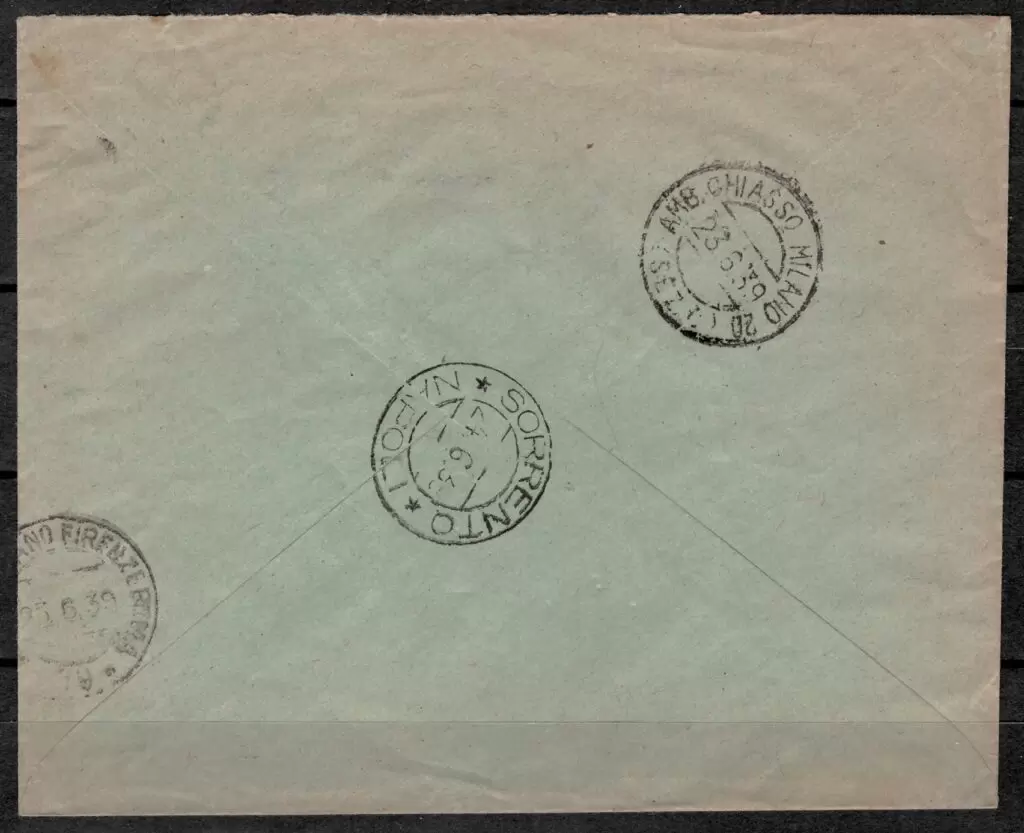
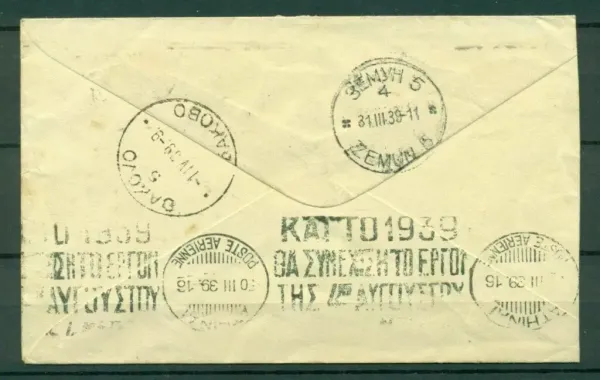
The Postmarks and Cancels: These marks serve to “kill” the stamp so it can’t be reused, while indicating exactly what day, time, and town the letter passed through. Unusual shapes, like the iconic Victorian Maltese Cross cancel, are highly collectible.
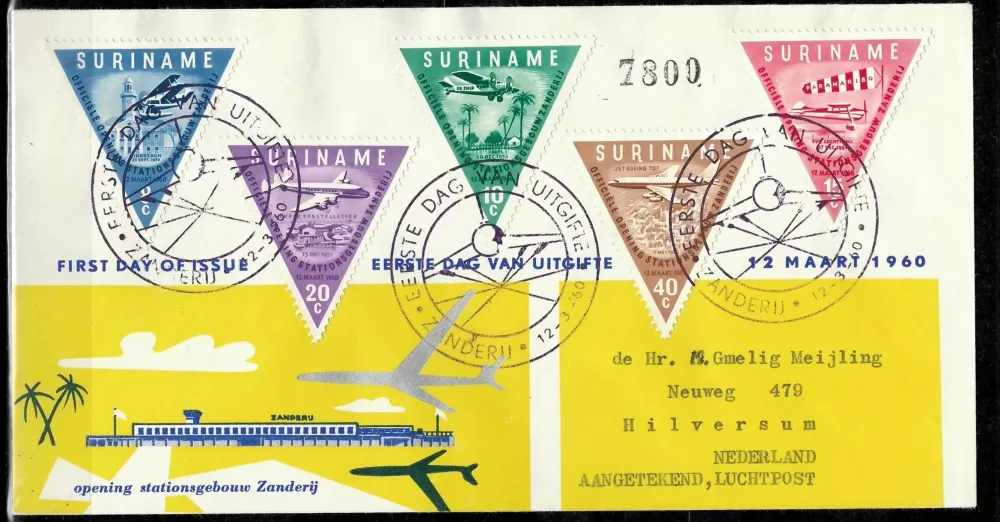
The Cachet (Artwork): Predominantly found on modern or commemorative covers, a cachet is an illustrated artwork or design printed on the left side of the envelope explaining the theme of the mailing. The Major Categories of Postal History Collectors usually specialize in one or more of these fascinating historical areas:
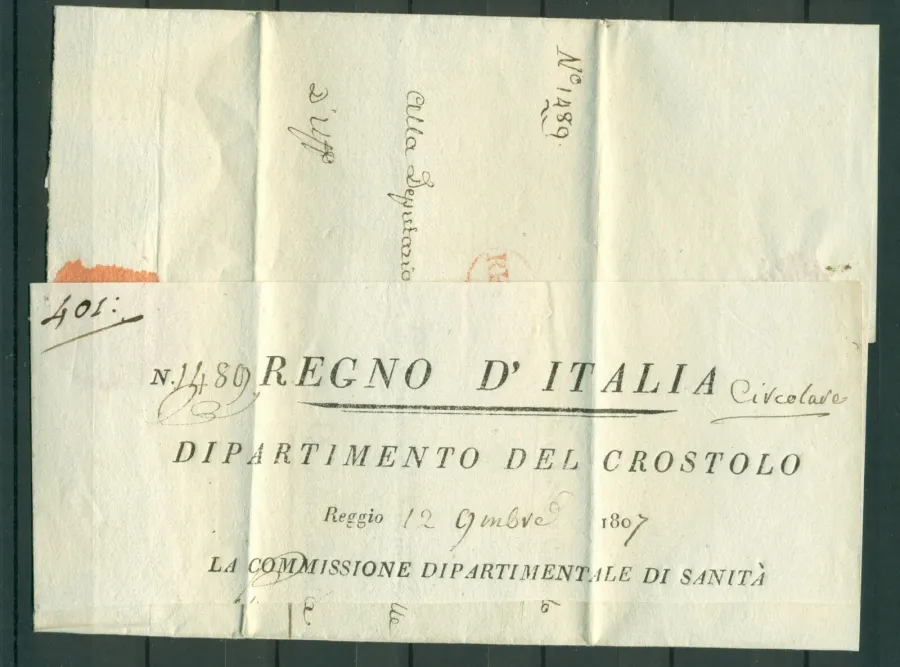
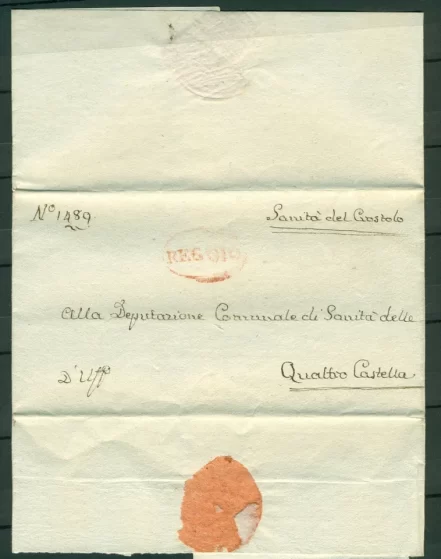
Stampless Covers (Pre-1840)Before the invention of the Penny Black stamp in 1840, letters were written on a sheet of paper, folded shut, and sealed with wax. The recipient—not the sender—usually paid the postage cost based on how many miles the letter traveled and how many sheets of paper it contained. Postmasters stamped these with ink “mileage marks” and manual fee calculations.
Maritime & Ship Mail Letters carried across oceans via commercial sailing vessels, steamships, or military boats. These covers are stamped with distinct marks like “SHIP LETTER” or “PAQUEBOT”, which tell the story of the letter’s journey across coastlines and oceans.
Crash & Wreck Mail Among the most thrilling pieces of postal history, crash covers are items recovered from plane crashes, train wrecks, or sinking ships. They are often charred by fire or water-stained, and frequently feature a tragic official postal service label reading something like “Recovered from plane crash at sea.
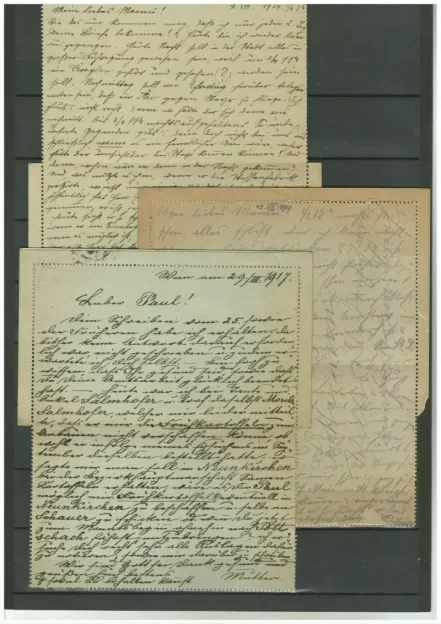
“First Day Covers (FDCs)Envelopes carrying a newly released stamp that are postmarked precisely on the very first day that the stamp was officially issued to the public. These are often stamped with a special “First Day of Issue” cancellation mark and paired with a beautifully designed cachet. Military & Censored Mail Letters sent by soldiers in wartime or civilians living under martial law. These envelopes are usually stamped by military censors who read the letters to black out tactical information, decorated with “Passed by Censor” tape or ink stamps.