
Showing 1–30 of 39 resultsSorted by latest










Showing 1–30 of 39 resultsSorted by latest
The study of military and war postage stamps—often categorized under martial philately—delves into how nations handle communication, propaganda, and logistics during periods of extreme conflict. Far beyond simple receipts for postage, these stamps serve as physical remnants of frontline movements, psychological warfare, and military occupation.
1. Commemoratives & Home Front Propaganda
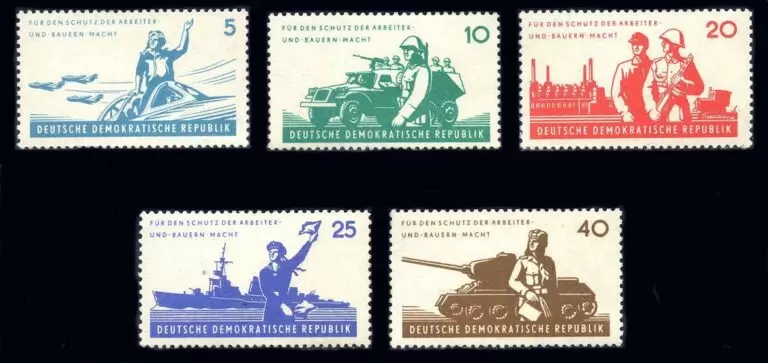
During major conflicts, state-controlled postal agencies weaponize stamp designs to boost civilian morale, demonize the enemy, and immortalize hard-won battlefield triumphs.
Immediate Victory Issues: Released just months after the actual event, the 1945 US Iwo Jima stamp (pictured above) dynamically reproduced Joe Rosenthal’s Pulitzer Prize-winning photograph. It was highly unusual at the time because it depicted living American servicemen, breaking standard postal traditions to ride a wave of wartime patriotism.
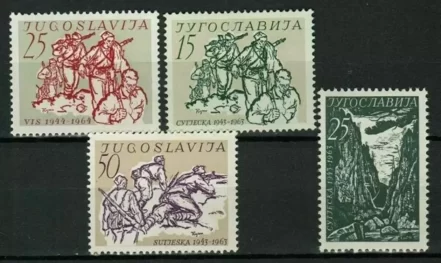
The Soviet “Great Patriotic War” Issues: Throughout WWII, the USSR printed stark, striking two-color stamps depicting partisan snipers, red tanks breaking through barbed wire, and heroic laborers working factories under the slogan “Everything for the Front!”
2. Military Logistics: Field Post & V-Mail
Getting mail to millions of mobilized soldiers scattered across global trenches and remote islands required entirely separate, highly secure logistical operations.
Free Franking & Feldpost: Most warring nations granted active-duty personnel free franking privileges—meaning soldiers did not need to buy stamps. Instead, their letters were processed through specialized Army Post Offices (APOs) or Field Post Offices (FPOs). Collectors track these via distinct, circular steel postmarks which indicate exactly which regiment or field location processed the letter.
V-Mail (Victory Mail): To save crucial cargo space on military transport ships and planes, the Allies introduced V-Mail (pictured above). Soldiers wrote on standardized, combination letter-envelopes. These sheets were censored, photographed onto 16mm microfilm, flown across oceans in compact canisters, and then optically enlarged and printed onto paper sheets at destination depots near home.
3. Chained Logistics: War Tax & Franchise Stamps
Wars are astronomically expensive, leading governments to implement unusual emergency postal fees to directly squeeze revenue out of civilian infrastructure.
War Tax Stamps: During the Boer War, WWI, and WWII, many British colonies issued standard stamps heavily overprinted with the words “WAR TAX”. Civilians were forced to pay an extra penny or half-penny on top of normal postage, with the excess funds funneled straight into munitions and defense budgets.
Franchise & Military Booklet Issues: Nations often issued exclusive, non-denominated stamps to specific military organizations (like the French Franchise Militaire or Spanish military booklets) allowing designated forces or wounded veterans to bypass traditional retail postal networks entirely.