
Showing 1–30 of 43 resultsSorted by latest
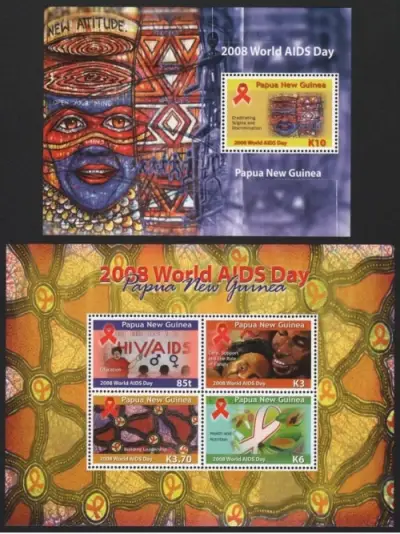
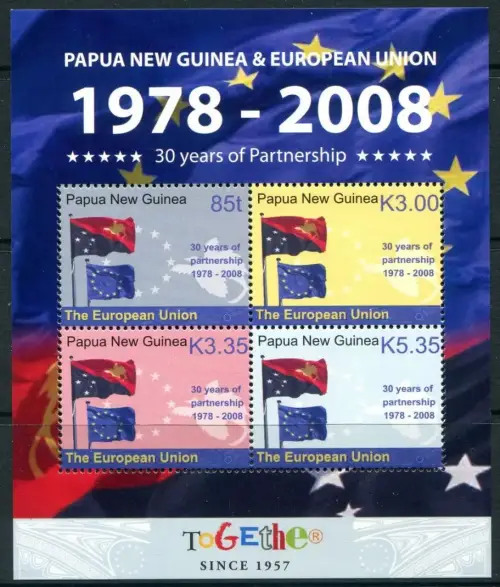

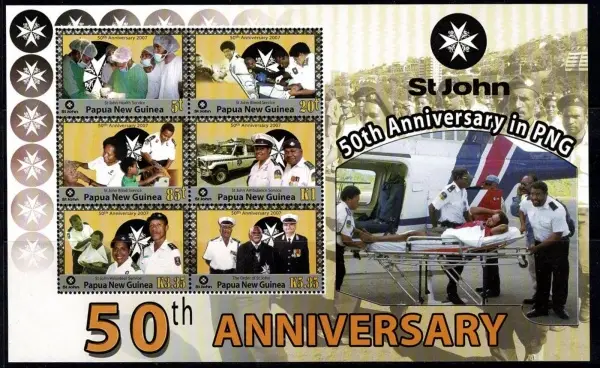
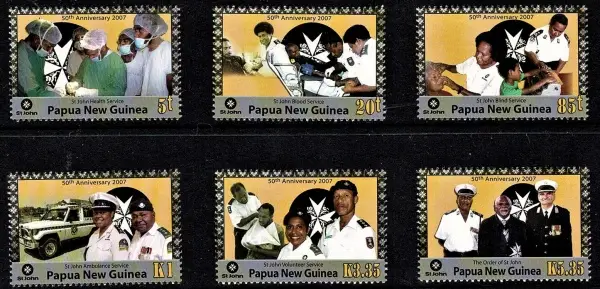





Showing 1–30 of 43 resultsSorted by latest
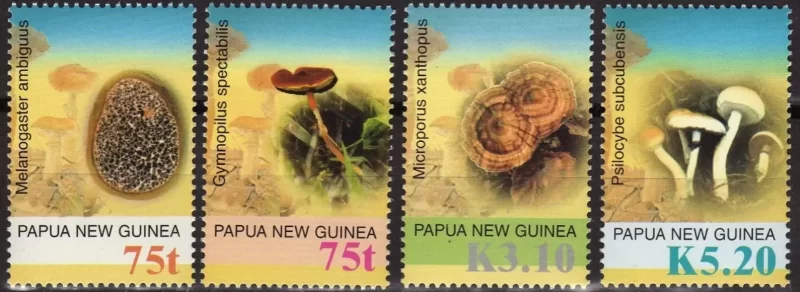
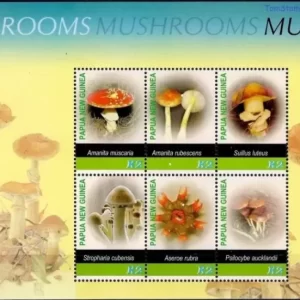
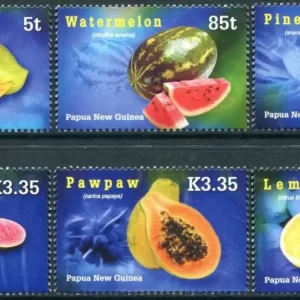
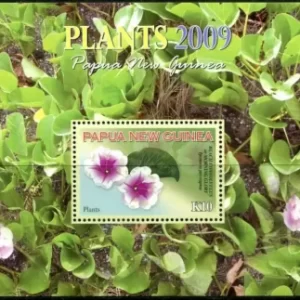
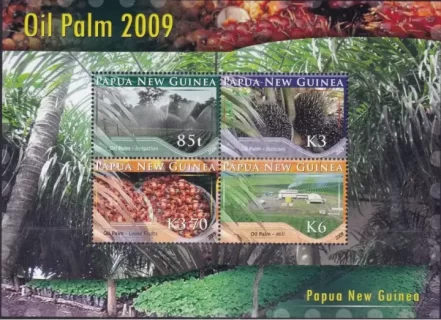
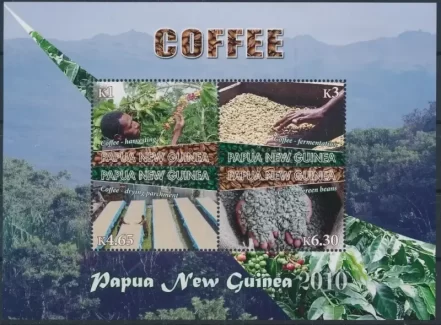
Postage stamps from Papua New Guinea (PNG) are celebrated in the philatelic world for their incredible visual storytelling. Because the nation is one of the most culturally diverse and ecologically unique places on Earth, its stamps serve as a vibrant canvas showcasing rare wildlife, indigenous traditions, and complex colonial history.
To understand Papua New Guinea’s stamps, collectors divide the region’s history into three distinct political eras before it gained independence:
The Divided Colonial Era (Pre-WWI): Mail from this period is highly complex. The northern part of the island was German New Guinea (using German stamps overprinted with “Deutsch-Neu-Guinea”), while the southern part was British New Guinea (later renamed Papua), which issued the famous “Lakatoi” stamps depicting traditional native trading canoes.
The Australian Administration (1914–1975): After World War I, Australia administered both territories. Stamps from this era often feature exquisite bi-color engravings of local wildlife, particularly the Bird of Paradise (Paradisaeidae), often paired with traditional cultural artifacts like boar tusks and cowrie shells.
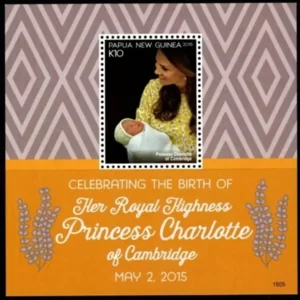
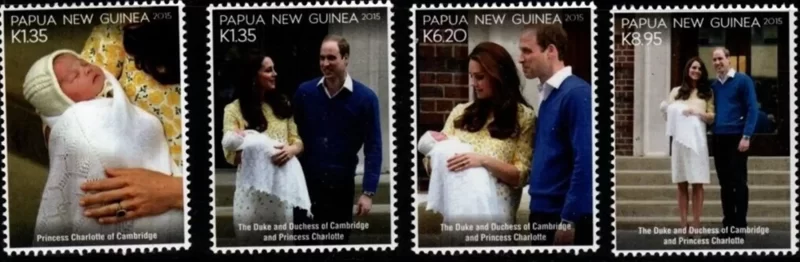
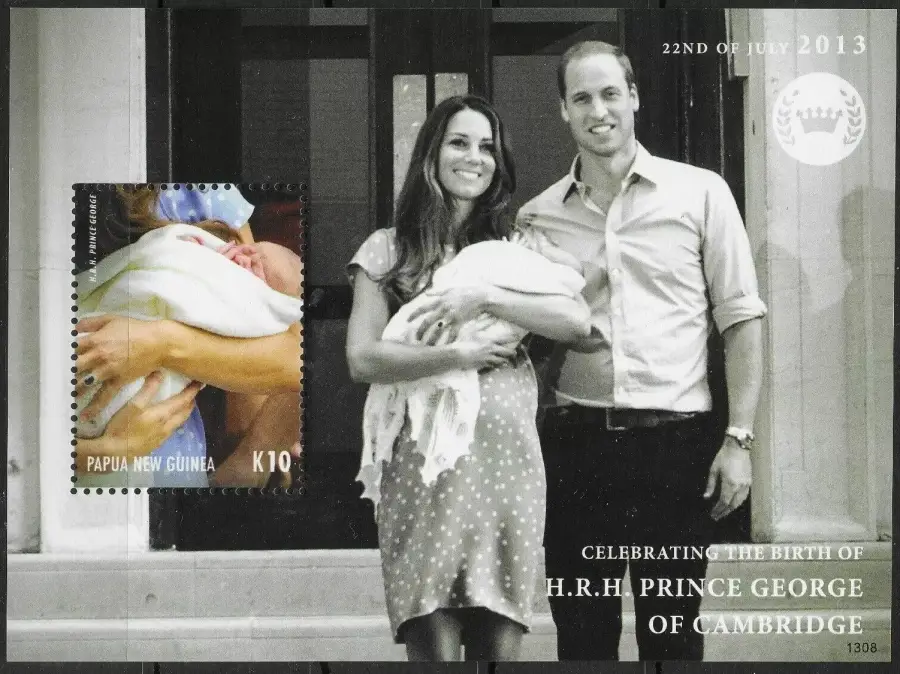
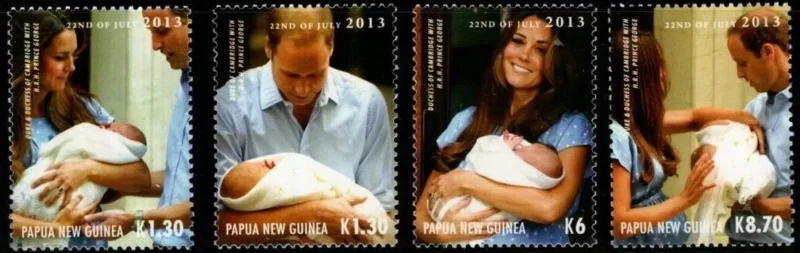
Independence Era (1975–Present): Following independence in 1975, the country began issuing stamps under the name “Papua New Guinea.” Modern issues are known for their bright, full-color photography and celebratory cultural themes.
Iconic Collecting Themes from PNG
Collectors who specialize in PNG stamps generally focus on a few spectacular, highly specific themes:
1. Indigenous Culture and “Sing-Sings”
PNG is home to over 800 distinct languages and tribes. Stamps frequently highlight the spectacular traditional attire (bilas) worn during Sing-Sings (gathering festivals). Designs regularly include:
Baining Fire Masks: Massive, intricate canvas-and-bamboo masks used in ritual dances.
Huli Wigmen: Highly detailed depictions of the iconic headdresses woven from human hair and decorated with bird feathers.
Mudmen of Asaro: The famous clay-masked warriors of the Highlands.
2. Traditional Currency
Long before coins and paper money, communities across the region used traditional forms of wealth. PNG Post has released several fascinating series documenting Shell Money (Tabu), polished greenstone axe heads, and ceremonial Kina shells (from which the modern currency takes its name).
3. Hyper-Diverse Flora and Fauna
As part of a major tropical rainforest zone, PNG’s biodiversity is legendary on its stamps:
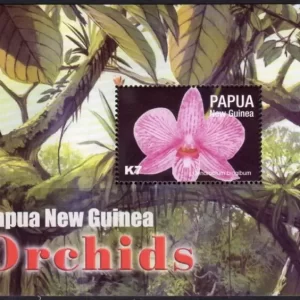
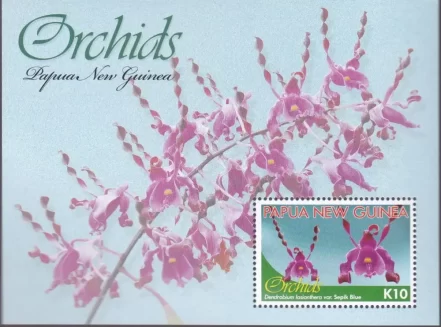
Orchids: PNG boasts thousands of native orchid species, frequently celebrated in expansive multi-stamp sheets.
Marine Life: Coral reef ecosystems, sea turtles, and nudibranchs are common subjects for high-value definitive sets.
Insect Life: The giant Queen Alexandra’s Birdwing (the largest butterfly in the world, native to PNG) is a crowning jewel of local insect topicals.
Overprints and Provisionals
For those who enjoy the “treasure hunt” side of stamp collecting, PNG history is rich with overprints—instances where old stamps were stamped with new text or values due to changing political control or currency shifts. For example, when PNG transitioned from the Australian Pound to decimal currency (Dollars and Cents) in 1966, and later to the Kina and Toea in 1975, older stamp stocks were quickly overprinted with new denominations, creating many scarce varieties for collectors to track down.