
Showing 1–30 of 70 resultsSorted by latest


Showing 1–30 of 70 resultsSorted by latest
Middle Eastern postage stamps are a fascinating area of philately, rich with history, art, and culture. Here’s an overview:
🌍 Major Collecting Areas
Ottoman Empire
Some of the most sought-after Middle Eastern stamps come from the Ottoman period (pre-1920s), featuring tughra (sultan’s monogram) designs and overprints from various provinces.
Egypt
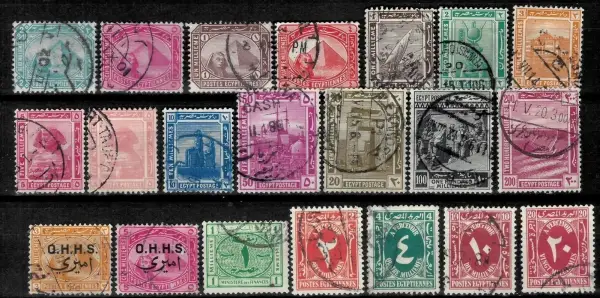
One of the region’s most prolific issuers, with stamps dating back to the 1860s. Early issues feature the Sphinx and Pyramids; later ones celebrate pharaonic heritage, the Suez Canal, and modern history.
Israel
Founded in 1948, Israel has produced highly collectible stamps with themes including Jewish holidays, archaeology, flora, and the Holocaust. First-day covers and tab stamps (with attached labels) are especially popular.
Jordan & Palestine
Jordan’s early stamps include many British Mandate overprints. Palestinian stamps from the mandate era and post-1994 Palestinian Authority issues are both historically significant.
Saudi Arabia & Gulf States
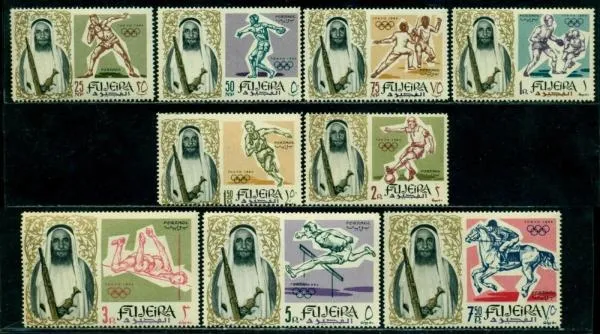
Saudi stamps often feature mosques, oil infrastructure, and Islamic art. The Gulf states (UAE, Kuwait, Bahrain, Qatar, Oman) began issuing their own stamps in the 1960s–70s and are popular for their colorful, thematic designs.
Iran (Persia)
Persian stamps date to the 1870s and include stunning portrait stamps of the Qajar and Pahlavi shahs — among the most artistic in the world.
Lebanon & Syria
Both have rich French Mandate-era stamps, as well as independent issues featuring ancient ruins like Baalbek and Palmyra.
🎨 Common Themes
Mosques and Islamic architecture
Ancient ruins (Petra, Palmyra, Jerash)
Portraits of royalty and leaders
Oil industry and modernization
Calligraphy and geometric art
Maps and national symbols
💡 Collecting Tips
Scott or Michel catalogues are the standard references for valuing Middle Eastern stamps
Ottoman and early Egyptian stamps can be highly valuable in mint condition
Many Gulf state stamps were printed in large quantities for the collector market in the 1970s, so they’re affordable and great for beginners
Look out for overprints — they often mark political transitions and are historically interesting