
Showing all 2 resultsSorted by latest
Showing all 2 resultsSorted by latest
Greece postage stamps have a long and important history, beginning with the first Greek issues in 1861 and continuing with one of the richest classic-to-modern stamp traditions in Europe. For a collector, Greece is especially appealing because its issues reflect national identity, political change, and a very recognizable visual style centered on classical and modern Greek themes.
Early issues
The first Greek stamps were issued in 1861, placing Greece among the early stamp-issuing countries of Europe. The classic period soon became famous for the Hermes heads, which are among the best-known and most collected Greek stamps.
These early issues are central to Greek philately because they combine strong design, multiple printings, and many collectible varieties.
Classic and occupation issues
After the Hermes issues, Greece produced a wide sequence of 19th- and early 20th-century stamps that included definitive series, provisional overprints, and wartime or occupation-related issues. The philatelic record also includes regional and occupation overprints such as those from the Dodecanese, Epirus, Crete, and other politically sensitive areas.
This makes Greek postal history especially rich for specialists who enjoy studying overprints, administrative changes, and local usage.
Modern Greek issues
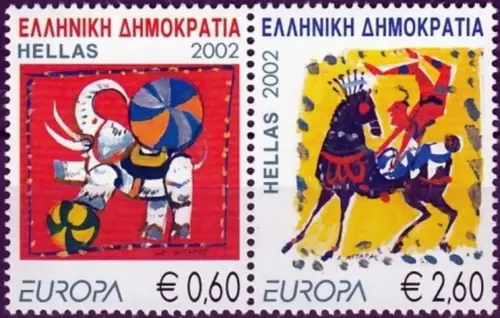
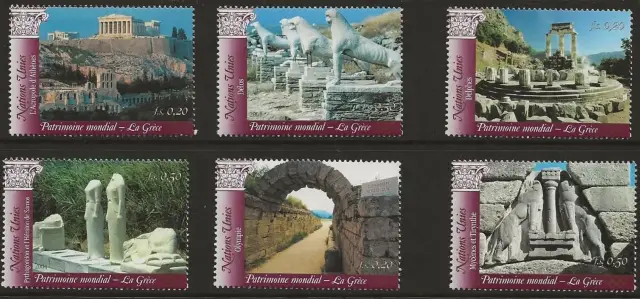
In the modern era, Greek stamp programs expanded into commemoratives, definitives, and thematic issues that often highlight culture, heritage, landscapes, archaeology, sport, and national anniversaries. The current Greek catalog listings show thousands of issues across the full span from 1861 to the present.
Modern Greek philately is broad enough for topical collectors, but it still remains rooted in the classic heritage of the country’s early stamp designs.