
Showing 1–30 of 54 resultsSorted by latest





Showing 1–30 of 54 resultsSorted by latest
The postage stamps of the Second World War (1939–1945) document the conflict with raw, immediate intensity. Because entire nations were being invaded, occupied, and liberated within short spans of time, the postal systems of the world had to pivot overnight.
Wartime philately is characterized by local military occupation overprints, fierce graphic propaganda, and the complete disruption of normal civil mail delivery.
Occupation: Soviet stamps overprinted during the 1941 German occupation of Latvia. Source: eBay / Latvia #1N18 German Occupation Russian Stamps Overprint Block 1941 …
Allied Commemoratives: The 1943 US ‘Overrun Countries’ series. Source: Mystic Stamp Company / 909-21 – 1943-44 Overrun Countries, Complete Set of 13 Stamps …
1. Axis Occupations & Liberation Provisionals
As Nazi Germany and Imperial Japan expanded their territories, local postal systems were instantly subverted.
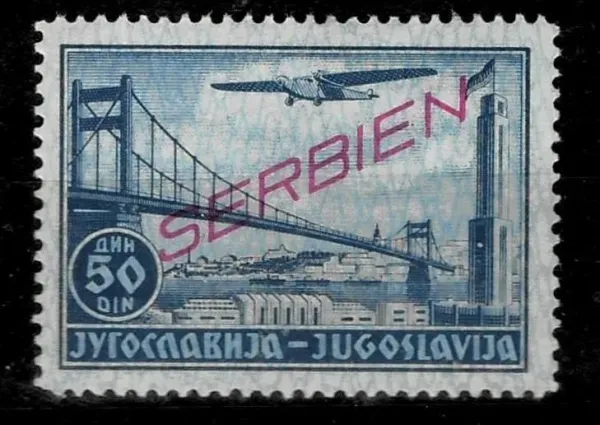
The German Occupation Overprints: Much like in WWI, the German military utilized existing local stocks to save paper. In the Baltic states, captured Soviet stamps were immediately hand-stamped with local text (such as the Latvija 1941 example pictured above). In occupied France, local regions created provisional overprints while the Vichy regime printed stamps celebrating Marshal Pétain.
The Japanese Occupation of Asia: In the Pacific theater, Japanese forces seized British, Dutch, and American colonial post offices. In the Philippines, Malaya, and the Dutch East Indies, standard colonial stamps were overprinted with Japanese characters or the phrase “Dai Nippon” (Great Japan).
The Allied Liberation Issues: As Allied forces pushed back, they carried their own currency and stamps. The Allied Military Government issued specialized “AMG” stamps for occupied Italy, Austria, and Germany to stabilize civilian communications behind moving front lines.
2. Allied Postal Solidarity & Morale Boosters
For the Allies, stamps were heavily utilized to reinforce international alliances and maintain citizen morale at home.
The US Overrun Countries Series (1943–1944): One of the most famous thematic sets in history (pictured above). The United States broke its own strict rule against printing multi-colored stamps to release 13 unique 5-cent stamps. Each featured the vibrant, accurate national flag of a country occupied by the Axis powers (including Poland, Norway, the Netherlands, and France), signaling America’s promise to liberate them.
The “Win the War” and “V for Victory” Motifs: Everyday definitive stamps across Great Britain, Canada, and the US were replaced with stark, symbolic graphics: a giant letter V, the Phoenix rising from the ashes, or the classic American eagle with wings shaped like a V.
3. Censorship, Espionage, and Underground Posts
Because international mail could leak military secrets, the handling of physical letters completely changed.
Civilian Mail Censorship: Almost all international mail during WWII was intercepted by state censors. Letters were sliced open, read, and resealed using generic paper tape marked “Opened by Examiner” or “Geprüft” (Checked), with sensitive names or locations completely blacked out with heavy ink.
The Underground Resistance Posts: In occupied Europe, secret resistance groups operated their own hidden postal routes. The Polish Home Army (Armia Krajowa) famously printed their own illegal stamps in secret basements during the 1944 Warsaw Uprising, using them to run a heroic, functional postal network across the ruins of the city.