
Showing all 23 resultsSorted by latest













Showing all 23 resultsSorted by latest
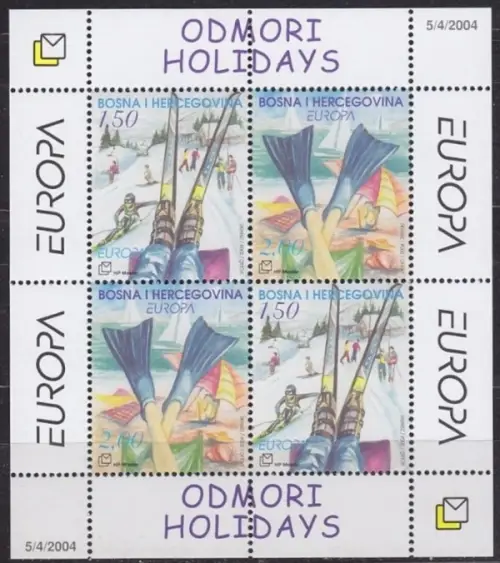
Collecting stamps themed around Holidays and Festivals is one of the most vibrant, cross-cultural niches in philately. Known as the Holiday Celebrations theme, it bridges the gap between secular winter traditions, religious holy days, and historic seasonal festivals from around the globe.
Major Global Festival & Holiday ThemesPostal administrations issue stamps throughout the year to mark distinct cultural milestones. The most widely collected include:
1. The Winter HolidaysChristmas: The tradition began in 1962 when the US Post Office issued its first Christmas stamp (featuring a simple wreath and candles). Today, many countries divide these into two annual types: Traditional (classic Renaissance-style Madonna and Child artwork) and Contemporary (secular imagery like snowmen, reindeer, or winter scenes). Hanukkah: First introduced to the US Holiday Celebrations lineup in 1996. Designs typically focus on stylized, colorful interpretations of the menorah (the nine-branched candelabrum) and geometric dreidels. Kwanzaa: Celebrated annually on stamps since 1997, usually featuring rich, colorful portraits of African-American families, the Kinara (candle holder), or traditional harvest fruits representing unity and culture.
2. Festivals of Light & DevotionDiwali: Celebrating the Hindu festival of lights, these stamps frequently feature a glowing diya (an earthen oil lamp) set against festive, sparkling backdrops to symbolize the triumph of light over darkness. Eid Mubarak: Commemorating the Islamic festivals of Eid al-Fitr and Eid al-Adha, these designs traditionally lean into exquisite gold Arabic calligraphy on rich blue or green backgrounds, avoiding figurative imagery out of religious respect.
3. Seasonal & Lunar New Year Festivals
Lunar New Year: A massive sub-category globally. Postal services across Asia, North America, and Europe release highly stylized stamps every January or February matching the year’s zodiac animal (such as the Dragon, Tiger, or Snake). They often utilize red and gold foil printing techniques to symbolize luck and prosperity.
Mid-Autumn Festival: Popular in East Asian philately, these stamps illustrate themes of family reunion, glowing paper lanterns, and full moons. Evolution of the Holiday StampThe way postal services handle holiday stamps has dramatically changed over the decades:The Invention of Christmas Seals1904
A Danish postal clerk invents the “Christmas Seal”—a non-postage sticker sold to raise money for charity. This sets off a global appetite for holiday-themed mail dressings.
First Official US Christmas Stamp1962
Despite decades of resistance from postal authorities who feared seasonal printing costs, the US relents to public demand and prints 350 million “Wreath and Candles” stamps. They sell out instantly.
The Traditional vs. Contemporary Split1970To respect diverse secular and religious preferences, postal services begin splitting annual Christmas releases into religious fine art and secular cartoon/winter themes.
Expansion to Global Cultures1992The USPS expands beyond the late-autumn/winter window, introducing the long-running Lunar New Year series, quickly followed by Hanukkah, Kwanzaa, Eid, and Diwali expansions over the next two decades.