


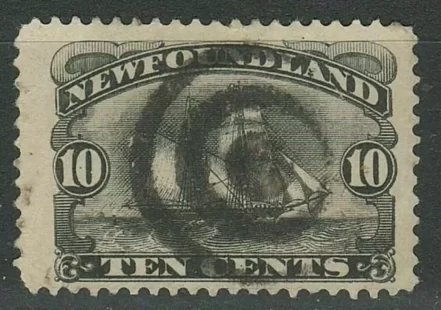
Canada Newfoundland postage stamps lot year 1870-1920 Used
Between 1870 and 1920, the Dominion of Newfoundland produced some of the most distinct, beautifully engraved, and highly collectible postage stamps in British North American philatelic history. Because Newfoundland did not join the Canadian Confederation until 1949, its postal system operated completely independently during this era.
The philatelic landscape transitioned from classic portrait designs to groundbreaking pictorial issues celebrating local wildlife, industry, and wartime sacrifice.
Key Stamp Issues and Eras (1870–1920)
1. The Rough-Perforated & Engraved Definitive Eras (1870–1896)
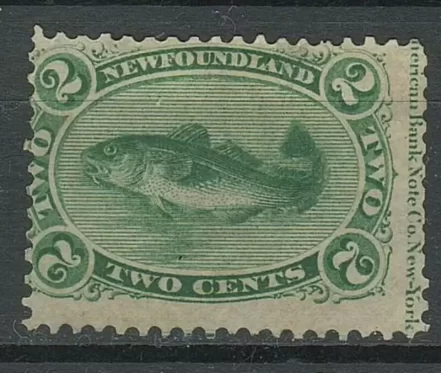
During the 1870s and 1880s, Newfoundland relied heavily on the British American Bank Note Company (Montreal/Ottawa) and later the American Bank Note Company (New York) to print its stamps.
- The Themes: Designs typically rotated between portraits of Queen Victoria, Prince Albert, and iconic regional symbols—specifically the Atlantic Codfish (a fundamental driver of the local economy) and the Harp Seal (representing the sealing industry).
- Philatelic Note: Stamps from this period feature distinct variations in paper type, perforation measurements, and re-entries, making them a fascinating challenge for specialization.
2. The 1897 Queen Victoria Diamond Jubilee Issue
This is widely considered Newfoundland’s first true pictorial definitive set and a milestone in its postal history.
- The Scope: A 14-stamp set issued to celebrate the 60th year of Queen Victoria’s reign.
- The Designs: Rather than just royal portraits, the set highlighted Newfoundland’s landscape, resources, and history. Notable designs included fishing scenes (“Mining”, “Logging”, “Fishing”), the historic Cape Spear lighthouse, and a portrait of John Cabot to mark the 400th anniversary of his discovery of the island.
3. The Royal Family Definitive Series (1897–1901)
Following the Jubilee, Newfoundland issued a crisp, elegantly engraved series featuring members of the British Royal Family. It includes portraits of the Duke and Duchess of York (the future King George V and Queen Mary) and Prince Edward. The small, neat design format makes this series instantly recognizable.
4. The 1910 John Guy Tercentenary Issue
Issued to commemorate the 300th anniversary of John Guy establishing the first official English settlement at Cupids, Newfoundland in 1610.
- This 11-stamp set features intricately detailed historical scenes, including John Guy’s ship The Endeavour, the construction of the fort, and portraits of King James I and Sir Francis Bacon (who was a member of the colonization company).
5. The 1919 “Trail of the Caribou” War Memorial Issue
Following the end of World War I, Newfoundland honored the heavy sacrifices made by the Royal Newfoundland Regiment with the famous “Trail of the Caribou” series.
- Design Elements: The stamps feature the striking head of a caribou—the emblem of the regiment.
- The Inscriptions: Twelve values were issued. The lower values (1¢ to 3¢) bear the word “UBIQUE” (Everywhere). The higher values (4¢ to 36¢) honor specific historic battles fought by the regiment on the Western Front and at Gallipoli, including Suvla Bay, Gueudecourt, Beaumont-Hamel, and Langemarck.
Notable Highlights for Collectors
| Issue / Era | Key Characteristics | Famous Varieties / Rarity |
| 1880–1890s Small Cents | Codfish, Seal, and Queen Victoria designs. | Look for color shades and perforation variations (e.g., Perf 12 vs. Perf 14). |
| 1897 Jubilee Set | 14 pictorial values from 1¢ to 60¢. | The 60¢ black stamp featuring King Henry VII is highly sought after in Mint Never Hinged (MNH) condition. |
| 1919 Pioneer Airmails | Overprints on existing stamps for early transatlantic flights. | The 1919 “Hawker” and “Alcock” overprints are iconic rarities of global aerophilately. |
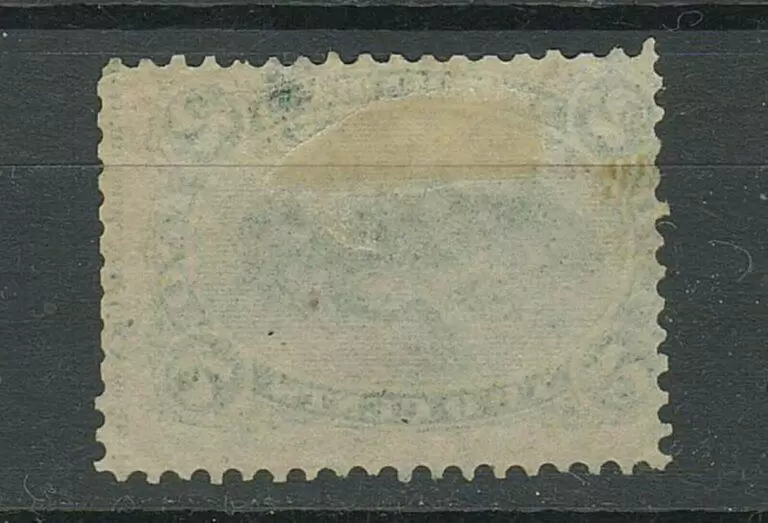
Philatelic Tip: When examining Newfoundland issues from 1870 to 1920, pay close attention to the gum and edge perforations. The coastal climate of Newfoundland caused many stamps stored locally to suffer from gum toning or tropicalization, so pristine, white-gum examples command a premium.




Reviews
There are no reviews yet.